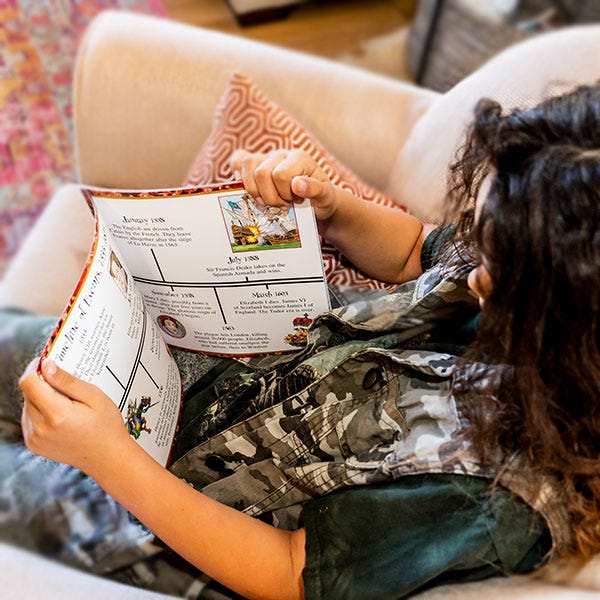
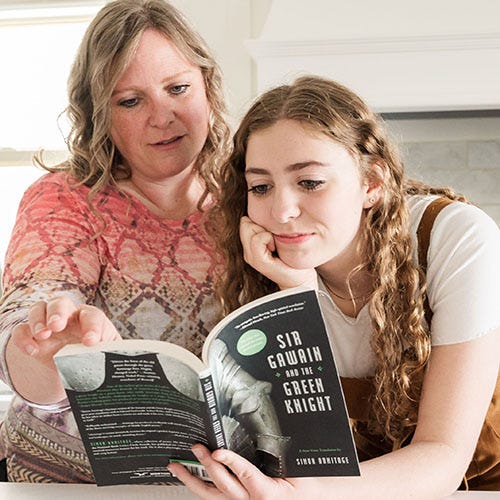
Literature-based homeschool curriculum is an educational approach that strongly emphasizes using literature as the central component for teaching and learning across various subjects. It involves integrating literature, including novels, short stories, poetry, and plays, into different academic disciplines such as history, language arts, social studies, science, and even mathematics.
Literary texts are used as a primary tool for instruction, exploration, and analysis in a literature-based curriculum. They serve as a foundation for teaching and learning, providing students with opportunities to develop essential reading, writing, critical thinking, and communication skills. Rather than relying solely on textbooks or traditional instructional materials, literature-based curricula encourage students to engage with rich, authentic literary works to deepen their understanding of different subjects.

Key principles of a literature-based homeschool curriculum
1. Literature as a Core Resource: Literature is viewed as a valuable resource that can enhance and enrich learning experiences. It is considered a means to foster students’ emotional intelligence, cultural awareness, and empathy while promoting language development and literacy skills.
2. Interdisciplinary Connections: Literature is used to make connections across various disciplines. It provides a context for exploring historical events, scientific concepts, cultural diversity, and ethical issues, among other topics. By integrating literature into different subjects, students can develop a more holistic understanding of the world.
3. Active Reading and Discussion: Students actively engage with literary texts through reading, analyzing, and discussing them. This encourages critical thinking, interpretation, and the development of personal perspectives. It also promotes classroom discussions, debates, and collaborative learning among students.

4. Personal and Authentic Response: Students are encouraged to respond to literature in a personal and authentic way. They may write reflections, create artwork, participate in dramatic interpretations, or engage in other creative activities that enable them to connect with the text on a deeper level.
5. Diverse Literature Selection: A literature-based homeschool curriculum typically encompasses a wide range of literary works from different genres, cultures, and time periods. This exposes students to diverse perspectives, helps them develop empathy, and encourages appreciation for different forms of storytelling
A literature-based curriculum fosters a love for reading, cultivates critical thinking skills, and promotes interdisciplinary learning by integrating literature into the educational experience across multiple subjects.
What Does a Literature-Based Homeschool Day Look Like?
A literature-based homeschool day centers on shared reading, discussion, and writing activities that connect multiple subjects through a single book or text. While every family’s schedule will look a little different, a typical day often includes:
Read-Aloud Time: A parent or student reads aloud from a selected book, whether a historical novel, a biography, or a piece of classic fiction. This shared experience anchors the day’s learning and sparks discussion.
Independent Reading: Students read assigned chapters or passages on their own, building fluency, stamina, and comprehension at their own pace.
Narration or Discussion: After reading, students narrate back what they have read or participate in a guided discussion. This reinforces comprehension and develops the ability to organize and express ideas clearly.
Writing Activities: Students respond to the reading through journaling, written narrations, book reports, or creative writing exercises inspired by the text.
Integrated Subject Work: Lessons in history, geography, science, or social studies connect directly to the book being read, so learning feels cohesive rather than fragmented.
Vocabulary and Language Arts: New words encountered in the reading are explored in context, and grammar or writing mechanics are often taught using passages directly from the literature.
The result is a school day that feels connected and meaningful, where subjects reinforce one another rather than existing in isolation.
Feeling like you aren’t sure what level your child might need to start in? Go through our assessments to determine the best starting level!
How BookShark Chooses the Books In Our Literature-Based Homeschool Curriculum
We remember stories better than dry facts. Without context, facts have little meaning. When you use a literature-based approach, you are giving meaning to the facts. While textbooks have multiple writers, literature is written by one person who is passionate about the story they are telling. Charlotte Mason (a British educator) called these living books. In living books, students aren’t only learning about the information or story in the book, they are also learning how authors craft their writing. They absorb writing skills naturally from those who do it best. With that in mind the criteria below is how BookShark chooses books:
- Authentic/Lifelike Characters. Heroes should have flaws. Anti-heroes should be somewhat likeable. Characters should have a spectrum of qualities that create a full personality – the way actual people are.
- Substantial Personal Growth. The protagonist must change for the better over the course of the book.
- Content that adds to the reader’s cultural literacy. The book’s plot, setting, characters, or vocabulary – something – must contribute to a reader’s knowledge about world events and cultures, or their understanding of “the way things work” in human relations, in life.
- Intriguing, multi-dimensional plot.
- Emotionally compelling. The story has to move the reader, whether that be in laughter, tears
- Verbally beautiful. The writing must be superb and allow for fluent reading – silently or aloud.